iPhone vs Android: A Beginner’s Guide to Choosing Your First Smartphone
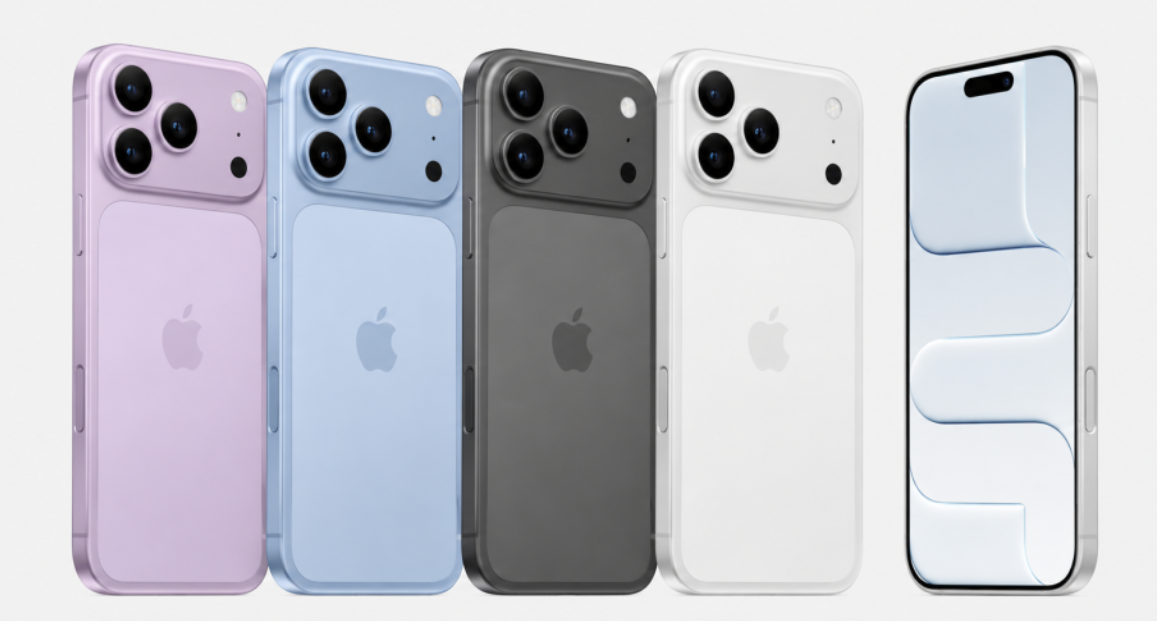
Anyone shopping for their first smartphone eventually runs into the same question: “Should I get an iPhone, or should I go with Android?” This debate has been going on for years since the smartphone market split into two camps, and it’s less a question with a single right answer than a matter of personal usage patterns and priorities. This piece breaks down iPhone versus Android from a beginner’s perspective, focusing on the practical strengths and weaknesses of each side.
The iPhone’s biggest strength is consistency and simplicity. Because Apple designs both the hardware and software in-house, optimization is exceptionally tight, and users don’t tend to notice significant performance degradation even after years of use. What matters most for a beginner is that it’s intuitive. The settings menu isn’t overly complicated, and the built-in apps follow a consistent design language, so even someone using a smartphone for the first time can adapt without much difficulty. Apple also offers unusually long software support — typically five-plus years of iOS updates — which gives buyers real peace of mind for long-term use. And if you already use other Apple devices like an iPad, MacBook, or Apple Watch, features like AirDrop, Handoff, and Universal Clipboard make cross-device syncing remarkably seamless.

Uncover incredible deals and embrace a seamless shopping spree on Temu! 😊
👉 item link: https://temu.to/k/p37qxb9u6po
🎉 Coupon price[$7.18]
Phone Case – Phone Case Designed for Heat Dissipation Featuring a 360° Rotatable Stand, Compatible with for Iphone 11 Through 17 Pro, Including Plus And Pro Max Versions. It Offers Shockproof Protection And Includes a Foldable Hidden Stand
🚀 Help Me Earn Instantly — Just 1 Click!
Hi! Join Temu’s affiliate program via my link—it’s free. I’ll earn up to $50, and you’ll get free rewards instantly! 🎉
💡 Commission Boost: Your commission auto-upgrades to 35% after signing up!
🔗 https://temu.to/k/p590cevtkpa
inc151317
That consistency comes with trade-offs, though. iPhones are inherently more closed off — you can’t fully replace default apps with third-party alternatives, and home screen customization is far more limited compared to Android. There’s no microSD expansion for storage, and prices tend to run higher across the board than Android, which can be a real burden for anyone on a tight budget.
Android’s biggest strength, by contrast, is freedom and range of choice. Because manufacturers like Samsung, Google, Xiaomi, and Motorola all build Android phones, you can find everything from budget models to flagships spanning a huge price range — which is especially appealing for a first-time buyer working with a limited budget. Default apps can be swapped freely, and home screen customization with widgets is far more flexible. Some models still support microSD cards, letting you expand storage cheaply, and different manufacturers offer their own standout features — Samsung Galaxy devices, for example, offer things like the S Pen or foldable form factors that no iPhone can match.
Android’s freedom comes with fragmentation problems, though. Update speed and support duration vary widely between manufacturers, and even between tiers within the same manufacturer’s lineup. Budget models often only get two to three years of software support, which puts them at a real disadvantage compared to iPhone for long-term use. Interfaces and default apps also differ slightly from brand to brand, which can actually feel overwhelming for a true beginner who hasn’t used multiple Android brands before — too much choice can be its own kind of confusion.
So what should a beginner actually use to decide? If budget is tight, Android has the clear edge — it’s much easier to find a model at the same price point offering more features, a bigger screen, or more storage. If budget isn’t a major constraint and you want something you can start using immediately without fiddling with settings, iPhone is likely the better fit. If most of your family and friends already use iPhones, choosing one yourself makes communication far more convenient thanks to iMessage and FaceTime. Conversely, if the people around you mostly use Android, there’s not much reason to insist on an iPhone.

If you plan to keep your phone for a long time, iPhone’s long update support window is a genuine advantage. If you want to experience the latest features at a lower price point as quickly as possible, an Android flagship might be more appealing. If photo and video editing is a hobby, iPhone’s consistent camera color science and mature editing app ecosystem give it an edge. If you enjoy customizing your device, Android’s flexibility will likely be far more satisfying.
Ultimately, there’s no definitive answer to which is “better” between iPhone and Android — both systems have clear strengths and weaknesses, and what really matters is weighing your own budget, usage habits, and surrounding environment to find the fit that works for you. If this is your first smartphone purchase, it’s worth going through the points covered here one by one to figure out which side genuinely fits your situation better.