Why Apple Never Made a Foldable iPhone (And Why That’s About to Change)
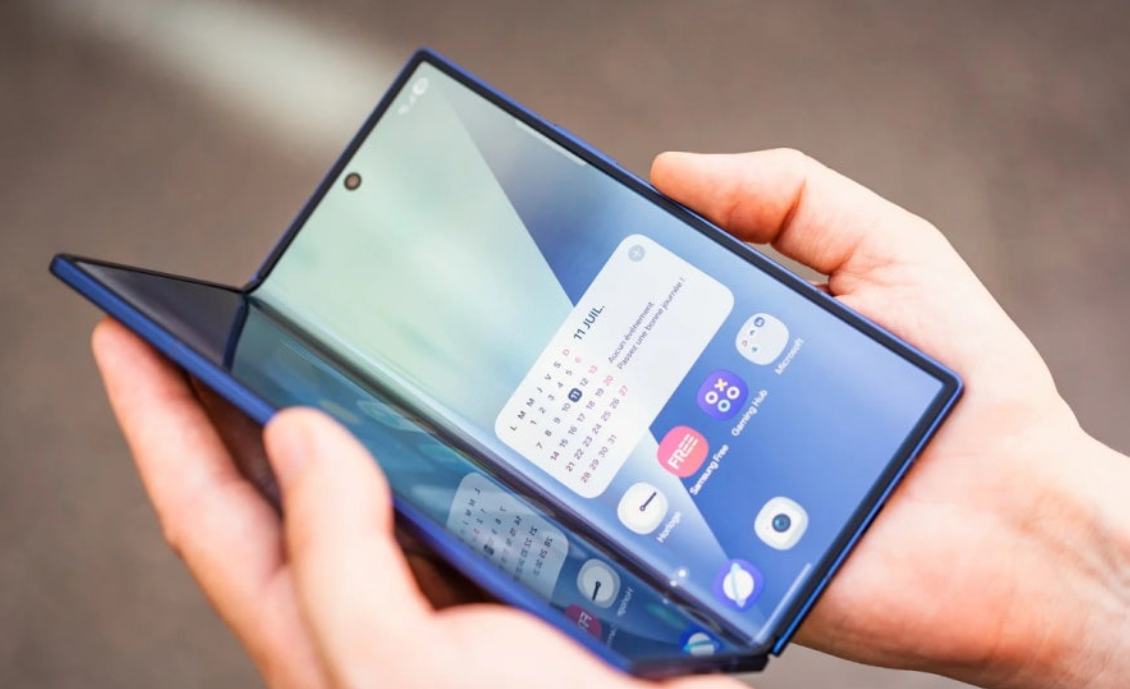
If you’ve owned an iPhone for a while, you’ve probably wondered at some point: “Why hasn’t Apple made a foldable phone?” Samsung and the rest of the Android world have been shipping foldables for years now, and it’s always felt a bit odd that the company that supposedly leads the smartphone industry sat this trend out. The short answer is that Apple wasn’t refusing to make a foldable — it was quietly preparing one for years without bringing it to market. And based on the latest reporting, that wait is finally about to end.
The biggest reason Apple held off for so long comes down to an obsession with polish. Apple has a habit of favoring “arrive once the technology is fully ready” over “be first to market.” The iPhone itself wasn’t the first smartphone, and the Apple Watch wasn’t the first smartwatch. The same logic applies to foldables. Apple reportedly watched early foldable phones struggle with visible screen creases, hinge durability issues, weak dust and water resistance, and bulky weight and thickness — and chose to wait until it could clear its own internal bar for quality. Recent reports suggest Apple has spared no expense developing entirely new material technology just to make the crease nearly invisible when the phone is folded. That points to a strategy less about jumping into the foldable market late and more about learning from competitors’ mistakes and surpassing them.
On the functional side, Apple has also taken a cautious approach. A foldable’s hinge mechanism makes it inherently difficult to achieve solid water resistance, and balancing screen-crease minimization against long-term durability is a genuinely hard engineering problem. On top of that, because Apple places such heavy emphasis on consistency across its entire ecosystem, it had to think through software optimization and app-ecosystem support specifically built for a foldable — not just the hardware. Things like the screen-transition experience between iPadOS-style and iPhoneOS-style interfaces, a foldable-specific multitasking UI, and how app layouts adapt between the folded and unfolded states all needed to be nailed down. Shipping hardware before that software groundwork was fully polished simply wasn’t Apple’s style.

Uncover incredible deals and embrace a seamless shopping spree on Temu! 😊
👉 item link: https://temu.to/k/p37qxb9u6po
🎉 Coupon price[$7.18]
Phone Case – Phone Case Designed for Heat Dissipation Featuring a 360° Rotatable Stand, Compatible with for Iphone 11 Through 17 Pro, Including Plus And Pro Max Versions. It Offers Shockproof Protection And Includes a Foldable Hidden Stand
🚀 Help Me Earn Instantly — Just 1 Click!
Hi! Join Temu’s affiliate program via my link—it’s free. I’ll earn up to $50, and you’ll get free rewards instantly! 🎉
💡 Commission Boost: Your commission auto-upgrades to 35% after signing up!
🔗 https://temu.to/k/p590cevtkpa
inc151317
Looking at it through a value-for-money lens makes Apple’s caution even clearer. Early foldables were dogged by durability complaints relative to their steep price tags — visible screen creases despite the high cost, debris getting into the hinge mechanism, and cases where battery or display performance degraded noticeably within just a couple of years. From Apple’s perspective, launching a foldable iPhone in that state and risking damage to brand trust was a far worse outcome than taking the time to deliver real value that actually matched a premium price point. In fact, recent leaks suggest Apple’s first foldable iPhone will launch at a steep starting price north of $2,000 — and at that price, there’s no room for compromise on build quality or durability if Apple wants to convince buyers. All the time Apple has spent seems to have been in service of exactly that: earning the price tag with durability that holds up over years of use and a genuinely polished experience.
Pulling together the latest industry reporting, Apple’s first foldable iPhone finally appears set to arrive in the second half of 2026. It’s expected to launch alongside the iPhone 18 Pro lineup, with an unfolded display somewhere around 7.6 to 7.8 inches — roughly iPad mini territory. The single most talked-about feature is a crease that’s nearly invisible when unfolded, which reads as Apple directly attacking the single biggest weakness that’s plagued foldables from the start. Pricing is expected to start somewhere around $2,000, so it won’t be cheap by any measure — but given how long Apple has spent preparing this device, it’s likely to deliver a noticeably different experience from existing foldables in terms of overall polish.

In the end, it’s not that Apple refused to build a foldable phone — it watched the rest of the market work through its growing pains and waited patiently until it could meet its own bar for technical polish and genuine value for the price. Rather than rushing in early, choosing to arrive only once materials science, durability, and software optimization were all locked in is a very “Apple” way of doing things, and that payoff now looks like it’s just around the corner. If you’ve been waiting for a foldable iPhone, the announcement expected later this year is well worth keeping an eye on.