“Apple iPhone Leasing Program Explained: How Apple Upgrade Works and What It Costs”
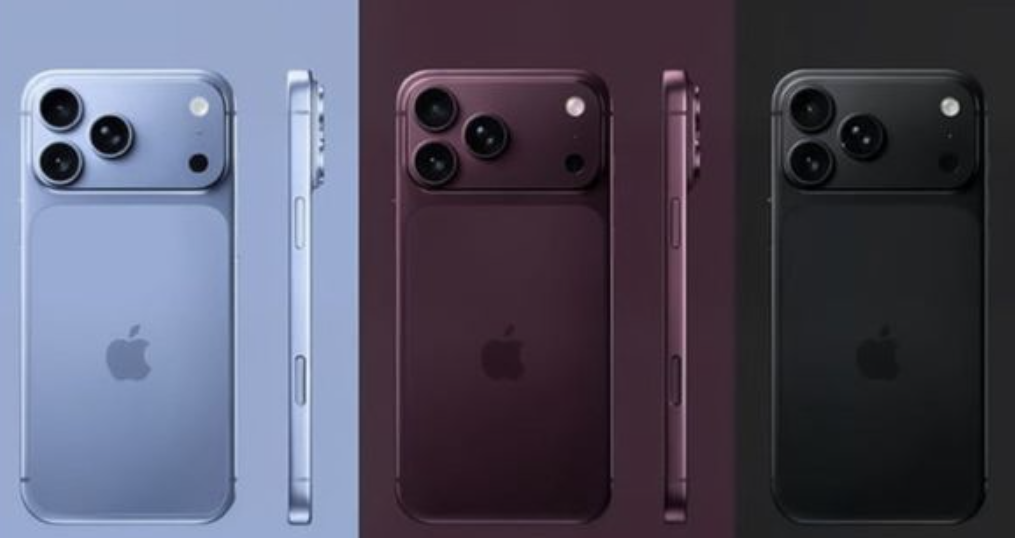
As AI-driven demand pushes up memory chip prices — a phenomenon dubbed “chipflation” — smartphone manufacturing costs are rising, prompting Apple to launch a U.S. consumer leasing program called “Apple Upgrade,” starting at $17.99/month. Unlike traditional installment plans, ownership never transfers to the consumer during the lease term, distinguishing it structurally from Samsung’s subscription-based Galaxy AI Club.

Uncover incredible deals and embrace a seamless shopping spree on Temu! 😊
👉 item link: https://temu.to/k/pa0wor2ihlo
🎉 Coupon price[$120.95]
Milwaukee 2457-21 3/8-in Cordless M12 Lithium-Ion Ratchet Kit
🚀 Help Me Earn Instantly — Just 1 Click!
Hi! Join Temu’s affiliate program via my link—it’s free. I’ll earn up to $50, and you’ll get free rewards instantly! 🎉
💡 Commission Boost: Your commission auto-upgrades to 35% after signing up!
🔗 https://temu.to/k/p590cevtkpa
inc151317
Outlook and Analysis
1. Chipflation Is Creating Structural Price Pressure
The root cause behind this leasing rollout is the surge in demand for high-bandwidth memory (HBM) used in AI data centers, which has squeezed the supply of standard DRAM and NAND flash used in smartphones and PCs. This isn’t a temporary blip — as long as AI infrastructure investment continues at its current pace, this cost pressure is likely to persist structurally. IDC’s forecast that global smartphone shipments will decline this year even as average selling prices hit record highs suggests manufacturers are shifting focus from volume to margin protection.
2. From Ownership to Subscription — A Paradigm Shift in Smartphone Consumption
Apple’s lease model represents an early instance of automotive-style leasing culture spreading into consumer electronics. For consumers, this lowers the monthly barrier to accessing premium flagship devices, but it also dilutes the concept of “ownership” itself, potentially deepening long-term lock-in through recurring payment relationships with Apple.
3. Apple’s Multi-Layered Strategic Motive
This program appears designed to achieve three goals simultaneously: first, lowering upfront purchase barriers to cushion against slowing sales driven by rising prices; second, feeding returned devices into Apple’s refurbished market as a supply source for emerging markets and budget tiers; and third, using the recurring 2-year lease renewal cycle to structurally lock consumers deeper into the Apple ecosystem.
4. Potential Competitive Response from Samsung and Others
Samsung’s “New Galaxy AI Subscription Club” operates on a fundamentally different model — customers buy the device first, then subscribe to services. However, if Apple’s pure-lease model proves commercially successful, competitors including Samsung are likely to introduce similar no-ownership leasing products. This could reshape the standard smartphone sales model industry-wide within the next one to two years.

5. Pitfalls Consumers Should Watch For
Leasing isn’t automatically more favorable. Consumers who want to keep the device after the contract ends must pay an additional fee, and early termination, damage, or non-compliant returns can trigger extra costs. Over the full lease term, total payments could potentially exceed the cost of an outright purchase — meaning this program, framed as easing affordability pressure, could in practice function as a strategy that quietly justifies premium pricing.
6. Key Things to Watch Going Forward
Whether the program expands beyond the U.S., how it intersects with the reportedly steep pricing of the iPhone 18 Pro and Apple’s first foldable model (rumored up to $2,500), and how competitors like Samsung respond will be the critical variables shaping how the smartphone sales structure evolves from here.